Is This Normal? The Skin Changes GLP-1 Didn't Warn You About
You did the hard part. You lost the weight. And then, one ordinary evening in the mirror, you noticed something no one prepared you for: your skin.
10 minutes
read
Maybe it's a new softness along your jaw. A fine, crinkled texture on the inside of your arms. Skin on your chest that creases now in a way it never used to. And a quiet question arrives:
Is this normal?
Yes. It is. You're not doing anything wrong, and you're certainly not alone. This is the honest, calm guide to what's happening with your skin: why it changes after GLP-1 weight loss, what genuinely helps, and, just as importantly, what doesn't.
The short, honest version
Softening, crepiness, and loss of firmness after GLP-1 weight loss are common and completely normal. Skin quality, meaning firmness, texture, crepiness, and tone, can be supported over time with consistent care and red light therapy. Lost facial volume is a different change and needs a clinical fix. This is support, not a miracle'.
"This article is for education and support, not medical advice. For persistent skin concerns, or before making changes to your routine, talk to a dermatologist or qualified healthcare professional."
Why does your skin change after GLP-1 weight loss?
The short answer: when weight comes off quickly, as it can on a GLP-1, your skin is left to catch up. For years it gently stretched to cover more of you. Now the volume beneath it has changed, and skin doesn't always draw back in at the same pace it let out.
Two things make this more noticeable:
Speed. GLP-1 weight loss can happen faster than the slow, steady pace skin adapts to best.
Timing. If you're in your 40s or 50s, your skin is already making less collagen and elastin, the proteins that keep it firm and springy.
None of this is a personal failing. It's biology doing exactly what biology does. Your skin isn't betraying you. It's simply adjusting to a body that changed, and it needs a little support to keep up.
The changes no one warned you about
These are the shifts women mention most after weight loss. Every one of them is common, and every one is normal.

Softening and loss of firmness
Skin that used to feel taut can start to feel looser or softer, often along the jaw, upper arms, and midsection. It's the most common change, and usually the first one you'll notice.
Crepiness
Thin, finely lined skin, a little like tissue paper, that tends to show up on the inner arms, the décolletage, above the knees, and the elbows. It's a change in skin texture, and it's one of the most responsive to consistent care.
Texture and tone shifts
Skin can look less even than it did: a bit duller, slightly more uneven in tone. This too is part of the adjustment.
A face that looks a little different
Sometimes the change is in the face: flatter cheeks, folds that seem more visible, a slightly hollower look. This is lost volume rather than a surface-texture change, and, as we'll be honest about below, it's a different kind of change with a different kind of answer.
The honest part: what helps, and what doesn't
Two different things are happening to your skin, and they respond to two different kinds of help: skin quality and skin structure. This is the whole point of Purpleglo, so we'll be straight with you.
What you can genuinely support: skin quality
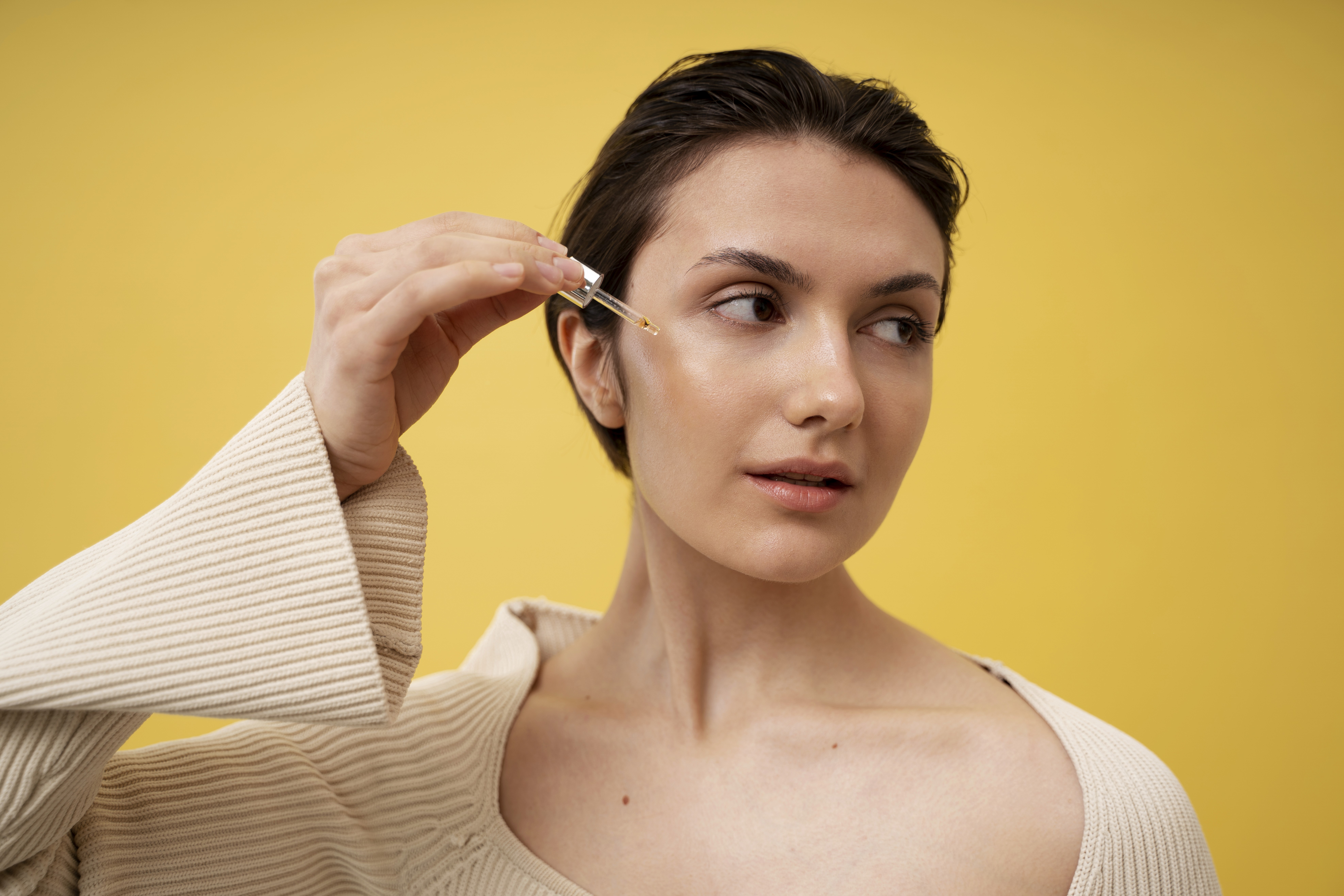
Firmness, texture, crepiness, and tone all come down to the health of your skin's support layers: its collagen and elastin. These respond to consistent care, including the daily habits below and treatments like red light therapy, which encourages the cells that produce collagen and elastin.
What skincare and light honestly can't do: lost structure
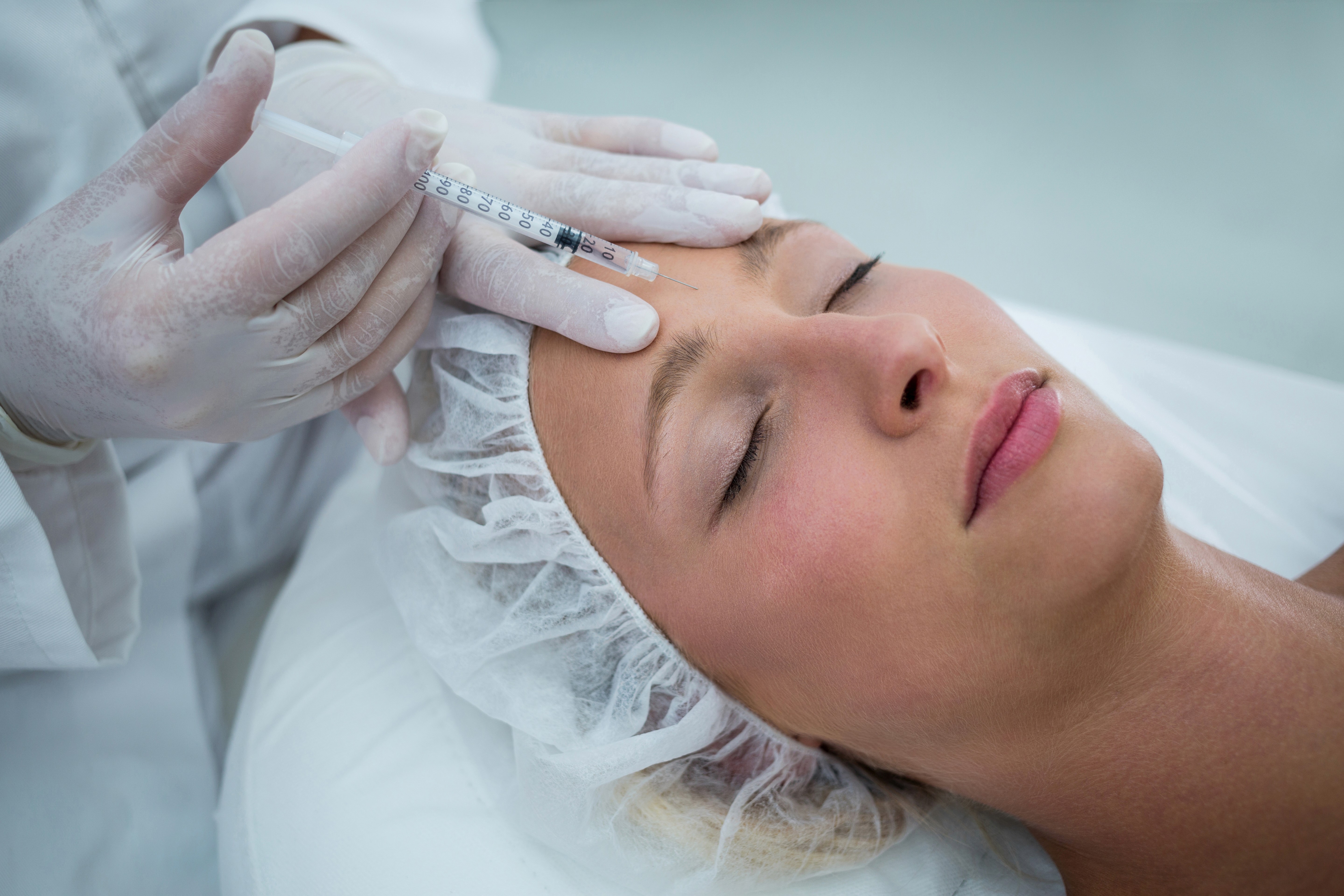
If the change you see is lost facial volume, meaning flatter cheeks, deeper folds, or a hollower look, that isn't a skin-surface problem. No cream, serum, or light device restores lost fat pads or fixes deep structural sag. That's the territory of fillers, biostimulators, or surgery.
If lost volume is your main concern, we'd rather tell you honestly: a light device isn't your best fix. A board-certified dermatologist or plastic surgeon can talk you through options that actually match the change. We'd sooner point you the right way than sell you the wrong thing.
How to support your skin through the change
You have more influence than you might think, at least over skin quality. These habits give your skin its best chance to adapt well:
Feed the collagen. Enough protein gives your skin the building blocks it needs, and helps you hold onto muscle, which fills you out beneath the skin.
Hydrate. Well-hydrated skin looks and feels plumper and more resilient.
Protect from the sun. Sun exposure is one of the biggest drivers of collagen breakdown. Daily SPF is quietly one of the most effective things you can do.
Keep some muscle. Gentle resistance movement supports the shape beneath your skin.
Go steady where you can. A more gradual pace, when it's an option, gives skin more time to keep up.
Be consistent and patient. Skin renews slowly. The wins here are earned over weeks, not days.
And if you'd like to actively support your skin's collagen and elastin at home, red and near-infrared light (around 630nm and 850nm) reaches the skin's support layers and encourages the cells that make them. With consistent use of around ten minutes a day, that can show up over weeks as firmer, smoother, better-textured skin. It works on skin quality, not lost volume. An at-home device like Purpleglo is built for exactly this moment.
What to expect, honestly
Skin support is a slow, steady thing. With consistent use, this is a realistic sense of the arc:
Weeks 1 to 2: skin often feels smoother and more hydrated.
Weeks 3 to 4: texture and tone begin to even out.
Weeks 6 to 8: firmness and crepiness improve with consistent use.
Results depend on your consistency and your skin. This is support, not a miracle, and honest expectations are part of how we do things.
When to check with a professional
Most post-weight-loss skin change is completely normal. Still, it's worth checking in with a dermatologist or your healthcare provider if:
a mole or patch of skin changes, or something looks new and unusual
you have irritation, a rash, or a reaction that won't settle
loose skin is causing physical discomfort, like chafing or irritation in folds
you're weighing a bigger step and want to understand your options clearly
Your comfort and your health always come first.
You're not vain, and you're not behind
Wanting to feel at home in your skin after all that work isn't vanity. It's one of the most natural things in the world.
This was never about turning back the clock or looking twenty-five again. It's about looking like yourself, at this weight, in this chapter. You did the hard part. Your skin is simply catching up, and it doesn't have to do it alone.
Frequently asked questions
Is loose or crepey skin after GLP-1 weight loss normal?
Yes, it's very common. When fat volume drops quickly, as it can on a GLP-1, skin is left to catch up, and in your 40s and 50s your skin is already making less collagen and elastin. Firmness, texture, and crepiness can be supported over time. Lost facial volume is a different matter.
Will my skin tighten on its own after weight loss?
Some skin improves over months as it adapts, especially with less dramatic loss. Consistent care and supporting collagen and elastin help. Significant structural looseness may not fully resolve without a clinical procedure, and that's an honest distinction worth knowing.
Can red light therapy help skin after weight loss?
Red and near-infrared light can support skin quality, including firmness, texture, crepiness, and tone, by encouraging the cells that make collagen and elastin with consistent use over weeks. It cannot restore lost facial volume or fix deep structural sag. That's the territory of fillers, biostimulators, or surgery.
What's the difference between crepey skin and sagging skin?
Crepey skin is a thin, finely lined surface texture. It's a skin-quality change that responds to consistent care and treatments like red light. Sagging from lost volume or structure is different and may need a clinical fix rather than a skincare or light-based approach.
How long until I see skin changes?
Many people notice smoother, more hydrated skin within the first couple of weeks, texture and tone beginning to even by weeks three to four, and firmness and crepiness improving by weeks six to eight with consistent use. Results depend on consistency and your skin. This is support, not a miracle.
Honest light.
A note from Purpleglo: We make honest, at-home red light therapy for the skin changes that come with weight loss. We're clear about what the light can do, meaning firmness, texture, and crepiness, and what it can't.